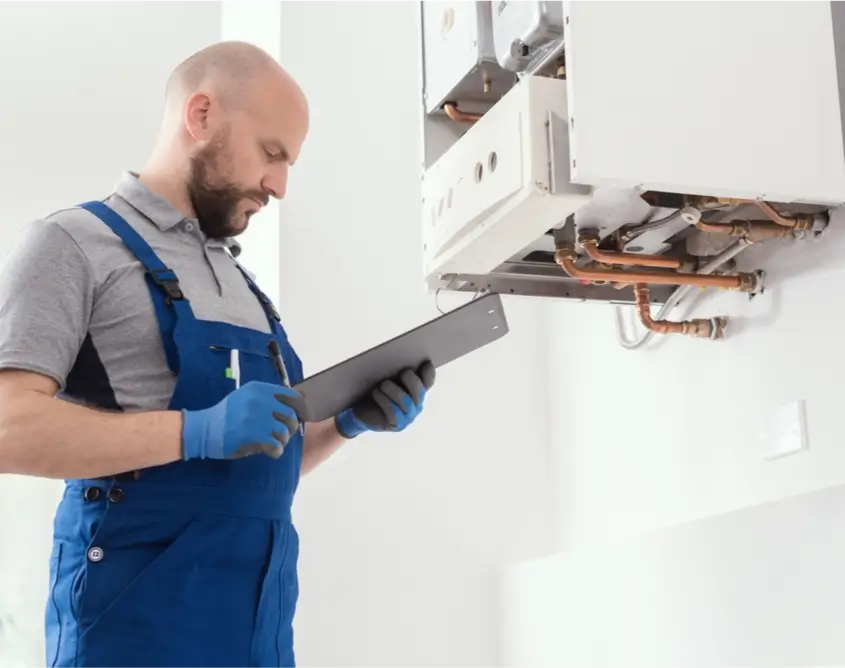

Gas is one of the most common energy sources in Australian homes, powering everything from hot water systems and stovetops to heaters and BBQs. While it’s efficient and reliable, it also comes with risks if appliances or pipework aren’t properly maintained. Faulty gas systems can lead to fire hazards, carbon monoxide poisoning, or even explosions if ignored.
That’s why gas safety inspections are so important. In fact, in some states like Victoria, landlords are legally required to arrange regular gas safety checks for rental properties every two years. For homeowners, the responsibility falls on you to keep your household safe.
But how do you know when your home needs an immediate inspection? Below are the key warning signs every Australian household should look out for.
Why Gas Safety Inspections Matter in Australia
Gas is widely used across the country, especially for heating and hot water. Because of that, Australian regulations set strict safety standards, requiring only licensed gas fitters to carry out inspections, installations, and repairs.
A professional inspection isn’t just about compliance, it’s about prevention. Identifying small faults early can save you thousands of dollars in repairs, improve energy efficiency, and most importantly, protect your family from serious health risks.
Warning Signs That Demand an Immediate Gas Safety Inspection
- Smell of Gas
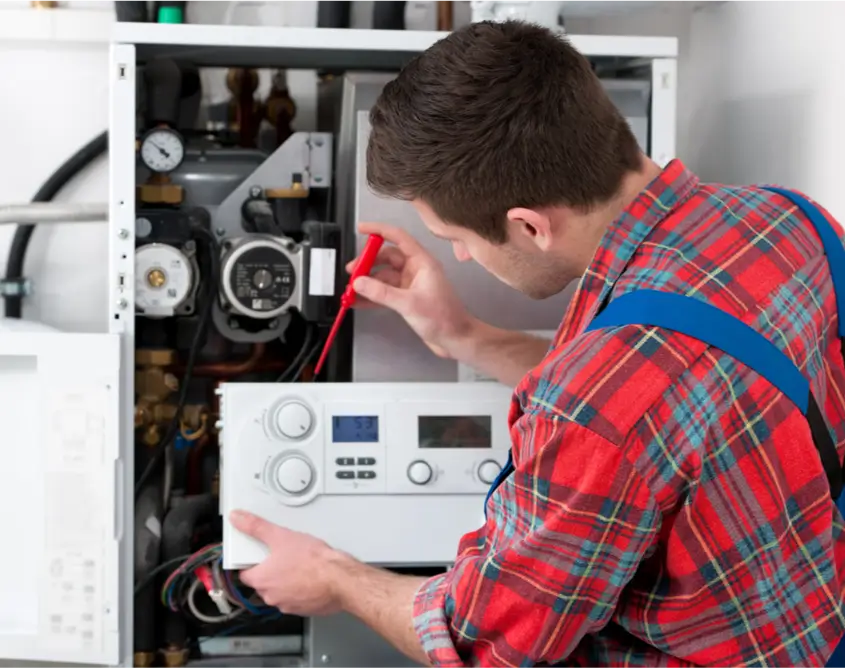
One of the clearest and most urgent signs of a gas problem is the smell of gas. Natural gas itself is odourless, but Australian gas suppliers add a chemical with a distinctive “rotten egg” smell to help detect leaks.
If you notice this odour, it’s critical to act quickly: evacuate your home, avoid switching on lights or using open flames, and call your gas supplier’s emergency number or a licensed gas fitter straight away. - Unexplained Headaches, Nausea, or Dizziness
Carbon monoxide (CO) is a silent danger that can be produced by faulty or poorly ventilated gas appliances. It’s colourless, odourless, and can cause flu-like symptoms such as headaches, nausea, dizziness, or fatigue.
If multiple family members feel unwell, especially when gas appliances are in use, it could be a sign of carbon monoxide exposure. This is particularly important in homes with unflued gas heaters. An immediate inspection is essential. - Yellow or Flickering Flames
Gas appliances should burn with a steady blue flame. If you notice yellow, orange, or flickering flames, it usually means incomplete combustion is taking place. This not only wastes gas but also increases the risk of carbon monoxide being released into your home. - Soot, Stains, or Discolouration Around Appliances
Marks or discolouration around heaters, hot water systems, or stovetops can indicate poor combustion or ventilation. Black soot, in particular, is a strong warning sign that your appliance isn’t burning fuel safely. - Unusual Noises From Appliances
Hissing, popping, or banging noises when using a gas heater, oven, or hot water system can point to a fault. While some sounds may seem harmless, they could signal a dangerous malfunction that needs urgent professional attention. - Pilot Light Frequently Going Out
Older gas appliances often rely on a small pilot light. If this light keeps going out, it could indicate a problem with the thermocouple, ventilation, or the appliance itself. Ignoring this issue can increase your risk of gas leaks or appliance failure. - Higher Than Normal Gas Bills
Have you noticed your gas bills suddenly climbing without any change in your usage habits? A leaking connection or inefficient appliance could be the cause. An inspection can identify hidden issues and save you money in the long run. - Age of Appliances
Even if your gas appliances seem to be working fine, age matters. Appliances that are more than 10–15 years old are more prone to faults, especially if they haven’t been serviced regularly. If you can’t remember the last time your heater or hot water system was inspected, now is the time to book one.
Gas Safety Regulations in Australia
Different states have slightly different rules, but all require gas work to be carried out by licensed gas fitters. In Victoria, for example, rental providers must arrange a professional gas safety check every two years in accordance with AS/NZS 5601 Gas Installations standards.
For homeowners, while inspections aren’t legally mandated everywhere, the risks of skipping them are far too high. Regular servicing should be seen as a key part of maintaining your property.
What to Do if You Suspect a Gas Issue
If you believe you may have a gas problem, follow these steps immediately:
- Evacuate your home – Get everyone outside to fresh air.
- Avoid flames or switches – Don’t light matches, smoke, or use electrical switches inside.
- Turn off the gas supply – If safe, switch it off at the meter.
- Call for help – Contact your gas supplier’s emergency line or a licensed gas fitter.
- Arrange an urgent inspection – Don’t return to normal use until your system has been checked and cleared by a professional.
Stay Safe With Regular Gas Inspections
Gas is a safe and efficient energy source when maintained properly, but the risks of ignoring problems are serious. From carbon monoxide poisoning to costly leaks, the consequences can be life-threatening.
Don’t wait until you notice one of the warning signs above. Regular servicing by a licensed gas fitter keeps your appliances running efficiently, reduces your energy bills, and gives you peace of mind that your home is safe.
Final Thoughts
Your family’s safety is too important to take chances with. If you’ve noticed unusual smells, higher bills, or issues with your appliances, don’t delay—book a professional gas safety check straight away.